The Short Answer: Earlier Than You Think
The single biggest mistake homeowners make when building a new home is waiting too long to hire an interior designer. By the time most people think about design—when the framing is up and the drywall is going in—critical decisions about electrical placement, plumbing locations, built-in configurations, and material selections have already been made or missed.
The ideal time to bring in a designer? Before construction begins. In many cases, before the architectural plans are finalized.
At Jessie K Homes, we specialize in new construction design for homes across Greater Boston. We've worked alongside developers and builders in Somerville, Newton, Woburn, and beyond. Here's the timeline we recommend—and why each phase matters.
Phase 1: Pre-Design (Before Architectural Plans Are Final)
When: 6–12 months before construction starts
This is the most valuable—and most overlooked—phase for designer involvement. While your architect focuses on structure, code compliance, and spatial planning, your interior designer focuses on how those spaces will actually be lived in.
What a Designer Does in This Phase:
- Reviews floor plans for furniture placement, traffic flow, and room proportions
- Identifies opportunities for built-ins, millwork, and architectural details that need to be planned now
- Coordinates with the architect on ceiling heights, window placement, and natural light optimization
- Plans kitchen and bathroom layouts down to the inch—appliance sizes, cabinet configurations, plumbing locations
- Establishes the design vision that will guide every material and finish selection moving forward
We've seen homeowners who skipped this phase end up with living rooms where no wall is long enough for a sofa, kitchens where the island blocks the flow, or primary bathrooms where the shower door hits the vanity. These are expensive problems to fix after construction—and free to prevent with early design involvement.
Phase 2: Design Selections (3–6 Months Before Construction)
When: After plans are finalized, before breaking ground
This is the most intensive design phase. Every material, finish, fixture, and fitting needs to be selected, specified, and ordered—often months in advance due to lead times.
Key Selections Include:
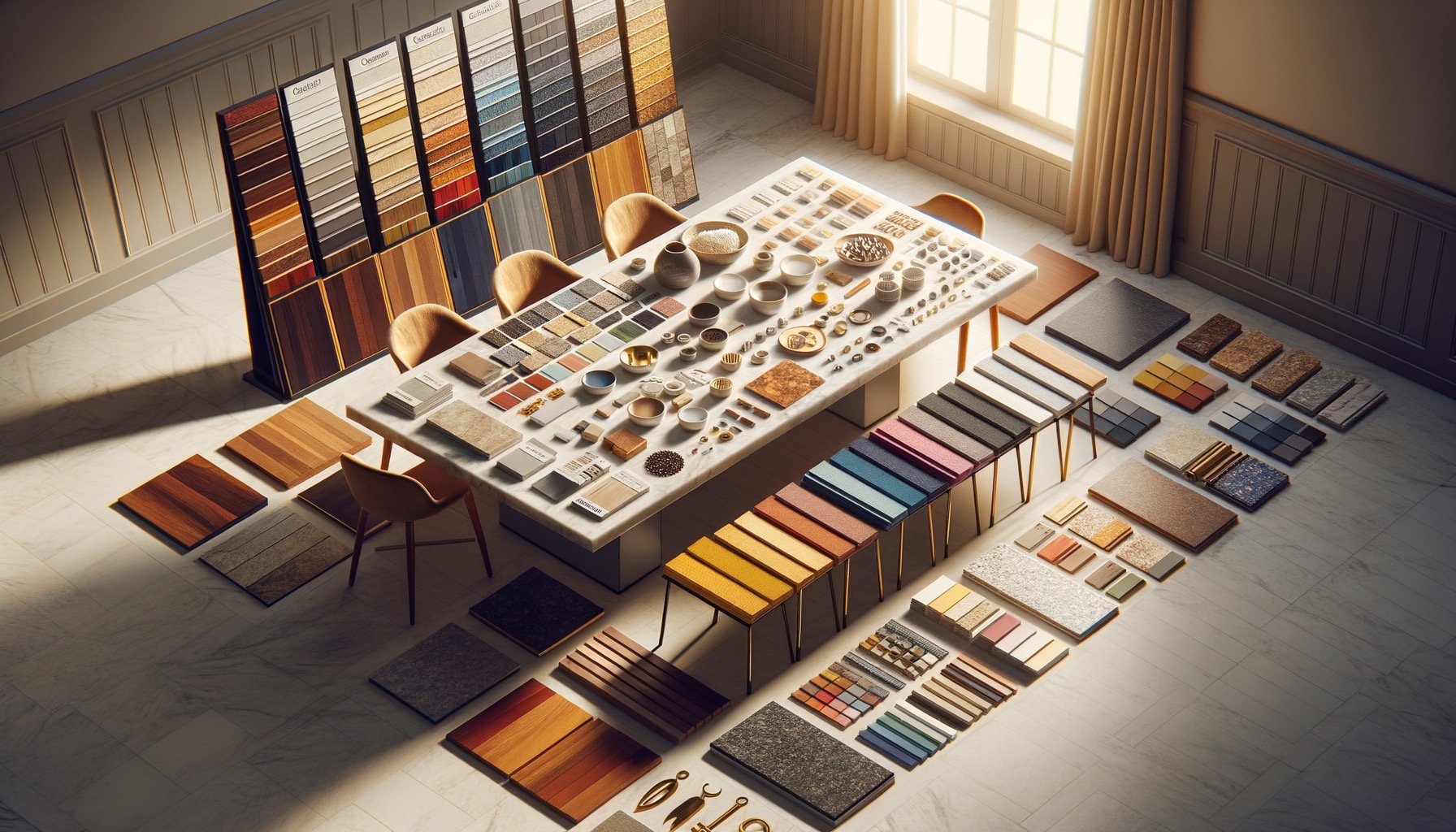
- Flooring: Hardwood species, tile selections, stone for entryways and bathrooms
- Cabinetry: Kitchen and bathroom cabinets—style, finish, hardware, configuration
- Countertops: Natural stone, quartz, or specialty surfaces with edge profiles
- Tile: Bathroom wall and floor tile, kitchen backsplash, mudroom flooring
- Plumbing fixtures: Faucets, shower systems, tub selections
- Lighting: Every fixture from recessed cans to decorative pendants and sconces
- Hardware: Door handles, cabinet pulls, hinges—consistent finish throughout
- Paint colors: Interior and exterior palette with specific sheens per room
- Millwork: Crown molding, baseboards, wainscoting, built-in shelving profiles
For our Reading single-family project, the selection process started four months before construction. This gave us time to source exactly the right materials without rush fees or settling for second choices due to availability.
Phase 3: Construction Administration (During the Build)
When: Throughout construction
Once construction begins, the designer's role shifts from planning to oversight. This phase is about making sure the design vision is executed correctly.
Designer Responsibilities During Construction:
- Site visits at critical milestones (rough-in, framing, pre-drywall, trim)
- Electrical walk-through to verify outlet placement, switch locations, and lighting fixture positions
- Quality checks on tile installation, paint application, millwork details
- Problem solving when field conditions require design adjustments
- Procurement management ensuring all materials arrive on schedule
The pre-drywall electrical walk-through is arguably the most important single meeting in the entire construction process. Once the drywall goes up, moving an outlet or adding a light switch costs ten times what it would have cost during rough-in. A designer who understands how furniture will be arranged and where art will hang can specify electrical placement that actually serves the finished room.
Phase 4: Furniture and Styling (2–4 Months Before Completion)
When: While construction is finishing up
With the shell of the home taking shape, this phase focuses on everything that goes inside it.
What Happens in This Phase:
- Furniture specification and ordering for every room
- Window treatment design—custom drapery, Roman shades, motorized blinds
- Rug selection and sizing for each space
- Art curation and frame specification
- Accessory sourcing—throw pillows, decorative objects, table styling
- Move-in coordination with delivery schedules and installation teams
Custom furniture typically requires 8–16 weeks for production. Drapery can take 6–12 weeks. By starting this phase while construction is still underway, we ensure everything arrives on time for a complete, styled move-in.
Phase 5: Installation and Move-In
When: 1–2 weeks before occupancy
This is the final reveal. Everything comes together in a carefully choreographed installation:
- Furniture delivery and placement
- Art hanging and adjustment
- Rug installation
- Window treatment installation
- Accessory styling and final touches
- Photography (for the designer's portfolio and the homeowner's records)
When we completed the Woburn single-family project, the installation took two full days. The homeowners walked into a completely finished, professionally styled home—every book placed, every pillow fluffed, every piece of art at the perfect height.
What Happens When You Hire a Designer Too Late
We've seen the consequences of late designer involvement many times:
- Electrical regrets: No outlet where the sofa needs a table lamp. Overhead lights where pendants should hang. Missing dimmer switches.
- Layout problems: Beautiful rooms that don't accommodate standard furniture sizes. Islands too close to the range. Bathroom doors that conflict with fixtures.
- Material mismatches: Builder-grade selections that clash with the homeowner's taste, requiring expensive replacements post-construction.
- Budget overruns: Changes during construction cost 3-10x more than changes during planning. Moving plumbing after tile is installed? That's a tear-out.
- Delayed move-in: Furniture and fixtures ordered after construction completion means living in a beautiful but empty house for months.
Working with Developers and Builders
If you're a developer building spec homes or a custom builder working with individual clients, partnering with an interior designer from the start provides significant advantages:
- Higher sale prices: Professionally designed spec homes sell faster and at higher price points. Our work on the Somerville condo development demonstrated this clearly.
- Fewer change orders: When design decisions are made before construction, you spend less time managing mid-build client changes.
- Better client satisfaction: Homebuyers who work with a designer during the build process are significantly happier with the final result.
- Competitive differentiation: Offering integrated design services sets your projects apart in the competitive Greater Boston market.
The Bottom Line: Hire Early, Save Money, Love Your Home
Hiring an interior designer for new construction isn't a luxury—it's a smart investment that prevents costly mistakes, maximizes the potential of your new home, and ensures a cohesive, beautiful result from day one.
The earlier you involve a designer, the more impact they can have—and the fewer expensive changes you'll face during construction.
Building a new home in the Greater Boston area? Schedule a free consultation with Jessie K Homes to discuss your project timeline and how we can help from concept through move-in. We work with builders and homeowners across Newton, Lexington, Winchester, Woburn, and throughout Greater Boston.

Jessica Sebastian
With a passion for innovative, practical design and years of real estate experience, Jessica brings a unique perspective to every project, balancing aesthetic appeal with marketable value.